Blog

  • Work Cited

    Addis, Michela, and Morris B. Holbrook. “Consumers’ Identification and Beyond: Attraction, Reverence, and Escapism in the Evaluation of Films.” Psychology & Marketing, vol. 27, no. 9, 16 Aug. 2010, pp. 821–845, https://doi.org/10.1002/mar.20359.

    Conrad, David A. The Adventure of Robin Hood (1938).

    Captain Blood. Directed by Michael Curtiz, Warner Bros., 1935.

    Confessions of a Nazi Spy. Directed by Anatole Litvak, Warner Bros., 1939.

    Daseler, Graham. “The Fall of the House of Warner: The Warner Brothers – Bright Lights Film Journal.” Bright Lights Film Journal, 25 Jan. 2014, brightlightsfilm.com/the-fall-of-the-house-of-warner-the-warner-brothers/. Accessed 14 Apr. 2026.

    Dames. Directed by Busby Berkeley, Warner Bros., 1934.

    Glancy, H. Mark. “Warner Bros Film Grosses, 1921–51: The William Schaefer Ledger.” Historical Journal of Film, Radio and Television, vol. 15, no. 1, Mar. 1995, pp. 55–73, https://doi.org/10.1080/01439689500260031.

    Hark, Ina Rae. “The Visual Politics Of The Adventures of Robin Hood.” Journal of Popular Film, vol. 5, no. 1, Jan. 1976, pp. 3–17, https://doi.org/10.1080/00472719.1976.10661790. Accessed 20 Apr 2026.

    Little Caesar. Directed by Mervyn LeRoy, Warner Bros., 1931.

    Schreiber, Cassandra. Decoding Robin Hood. 2025, pp. 1–233, ualresearchonline.arts.ac.uk/id/eprint/25893/2/Final%20PhD%20Thesis%20Cassandra%20Schreiber.pdf. Accessed 20 Apr. 2026.

    Singpatanakul, Tham. Revitalizing Hollywood Stardom. 2020, digitalcommons.chapman.edu/film_studies_theses/9/. Accessed 20 Apr. 2026.

    The Public Enemy. Directed by William A. Wellman, Warner Bros., 1931.

    The Roaring Twenties. Directed by Raoul Walsh, Warner Bros., 1939.

    The Adventures of Robin Hood. Directed by Michael Curtiz, Warner Bros., 1938.

    Yogerst, Chris. Ripped from the Headlines. 2015, pp. 1–24, www.proquest.com/docview/1687192521?pq-origsite=gscholar&fromopenview=true&sourcetype=Dissertations%20&%20Theses. Accessed 20 Apr. 2026.

    42nd Street. Directed by Lloyd Bacon, Warner Bros., 1933.
  • Warner Bros in the 1930’s (Conclusion)

    What I have wanted to convey with this blog is to illuminate the specific role Warner Bros. Have played in moving cinema further into the realms of relevant social commentary. Through the charm of the style of filmmaking that was coming out of the studio at the time, especially distinguishing themselves as an outlier compared to other major studio Warner Bros., during a very contentious time socially and politically via a rapid rise in fascism managed to create a multitude of films, through many genre of film, as has been conveyed throughout this blog that openly challenged the social discourse that was taking place, subsequently firmly picking a side politically, moreover, winning over the masses by depicting their struggles through the romanticism of the fast-paced filmmaking that had been coming out of Warner Bros. During the era.  

  • Swashbuckling Cinema Part II

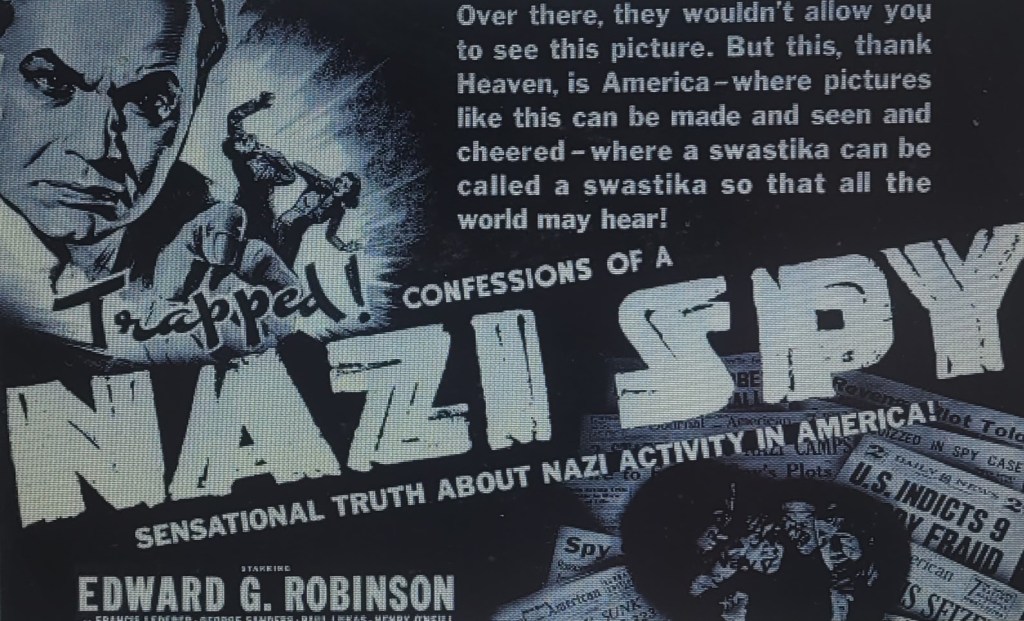
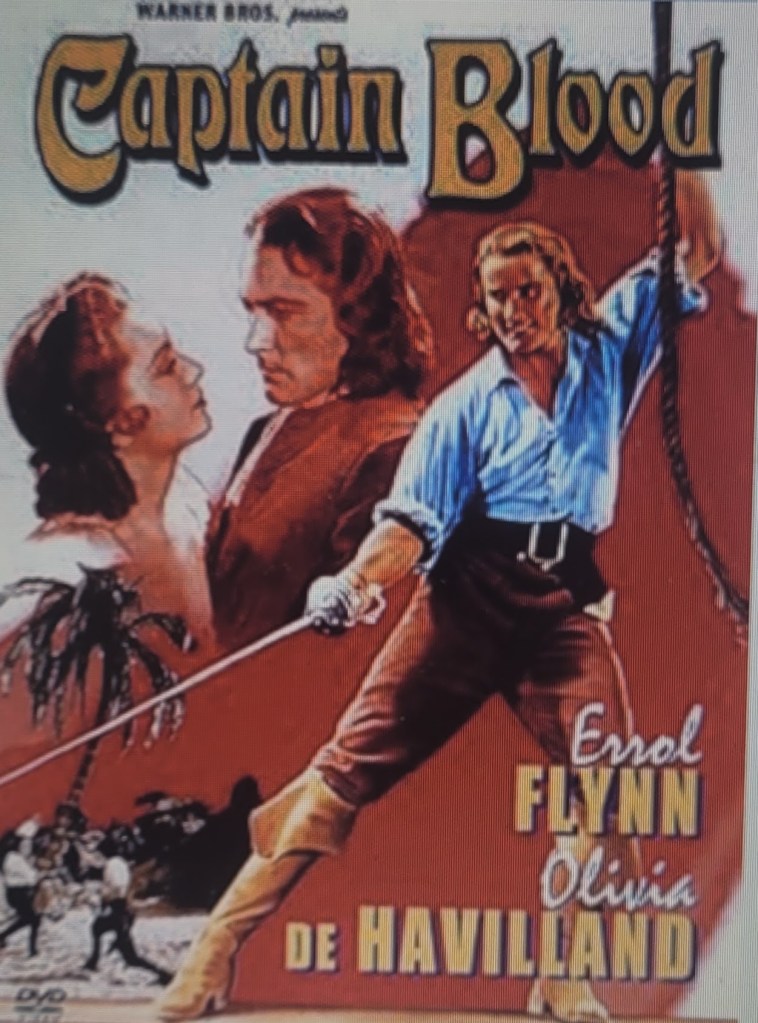
    Captain Blood, released in 1935, is an apt example of the filmmaking style that is interwoven throughout Warner Bros. In the decade. The film offers a quintessential piece highlighting the romanticized nature of a compelling story through rapid cutting and vibrancy in the film’s cinematography. There is also subtlety in the social bedrock, as we can note how the life of a pirate is depicted to shine a light on the moral parallels between the ‘civilized’ people and those who had been left to wither away on the fringes, perhaps one could interpret a commentary on class inequality through this visual paradigm. Furthermore, the fantastic nature of the individual who has been outlawed, only to return years later, is compelled by a sense of nobility and humane compassion for others. This once again provided the viewers with an idol, again, in the form of Errol Flynn under new social constraints as a figurehead to aspire to and even temporarily gawk at for two hours to forget the grounding struggles that await outside cinema doors. Providing Warner Bros. With a potent hook into the emotional psyche of the masses at the time, while mostly concentrating on providing films that consistently tackle social issues, in the case of Captain Blood (1935), while it also has some of those key political implications, the central purpose remains a romantic one, showcasing the potential strength and resilience of the individual. Errol Flynn’s role in reimagining what warber Bro.s could represent for audiences through the individual heroism associated with his performances, it also saw a “partial recovery” box office wise for Warner Bros. As a company that had made it clear that it could provide the excitement and romanticism that we come to attribute to cinema more generally, while also being a beacon for socially reflective pieces in the earlier parts of the decade, as well as the tail end of the 1930’s, closing out the decade with a strong stance against Fascism with Confessions of a Nazi Spy (1939) (Glancy, 61).

  • Swashbuckling Cinema Part I

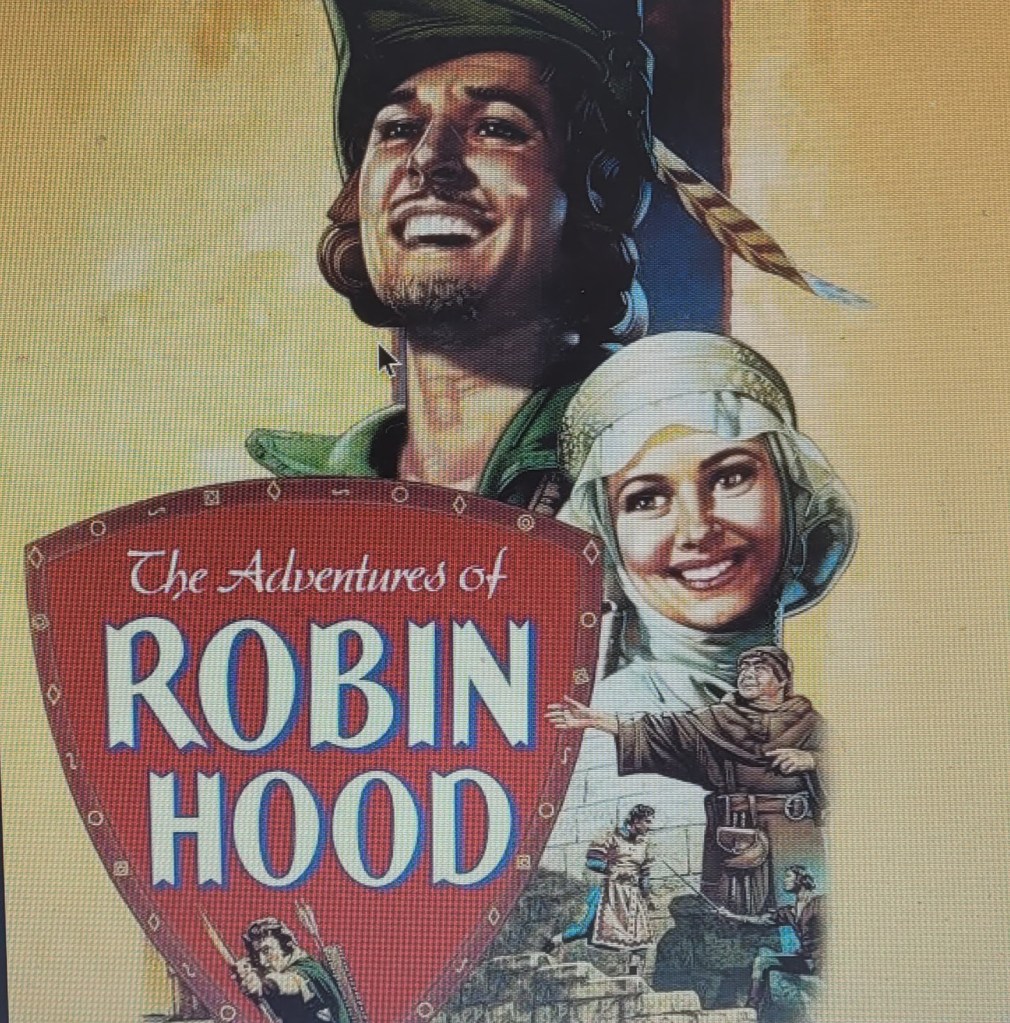
    Warner Bros. In the late 1930’s had also, while engaging with social issues, maintained an eye for bringing family friendly adventure stories to the cinema. In this case, The Adventures of Robin Hood (1938). This film provided the company with an opportunity to take a beloved character that people could see and “aspire to be” and make it extremely cinematically relevant with Warner Bros. Staple style of filmmaking via their notably fast paced cutting and lush cinematography highlighting visual variety (Schreiber, 66). Many shots in the film seek to highlight the necessity of the individual star, keeping in tune with the studio systems’ agenda for creating perfected social silhouettes in the form of actors for people to idolize. With this film, we can note shots of Errol Flynn (Robin Hood) staring deep into the distant land, this can be interpreted by the viewer as the individual who sees more to life than the accustomed poverty that the characters in the film were acclimated to, moreover, that the viewers who went to see the film were all too familiar with (Schreiber, 67). Furthermore, while the film offered pleasant spectacle for escapism, it simultaneously spoke to the “economic sensibilities” of audiences at the time, which has been a key, genre transcending feature of Warner Bros. Catalogue throughout this decade (Conrad, 2). The swashbuckling wildness of the plot mostly served as an enjoyable backdrop to the struggles that people faced financially and would continue to grapple in years after the film’s release. The “slick entertainment virtues” attributed to Warner Bros. In the decade was, with film’s subtext in mind, more of a distraction from the truth of the film tackling where the singular individual stands in relation to one’s immediate social and economic surroundings (Hark, 2013). This film along with many others within the studio’s catalogue is evidently showcasing the social relevance that film maintains within society, specifically during the era in which this one along with many others was released, alluding to other genres as has been previously mentioned in this blog through the grittiness of the crime genre, furthermore, the lighthearted spectacle of the musical and/or the fun adventure film starring Errol Flynn. Constantly highlighting societal struggles, this film illuminates more of a heroic, individualistic fantasy, accompanied with fast-paced editing that had consistently driven viewers to the cinema and kept the ideal of Warner Bros. As the most socially conscious studio of the time well intact.

  • Warner Bros. Musicals

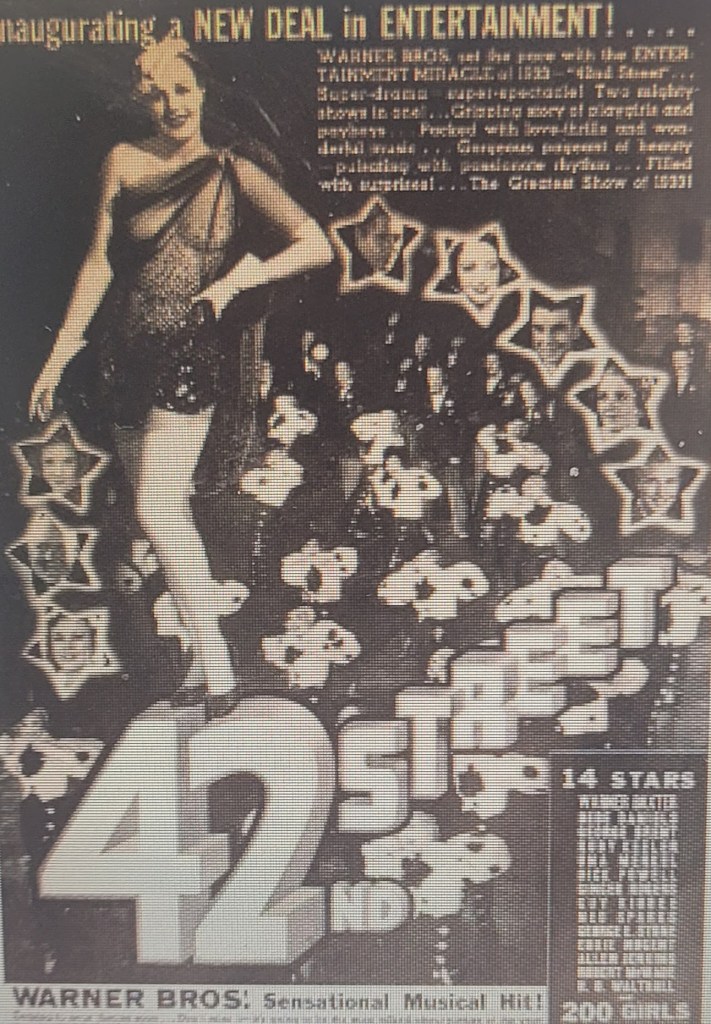
    Although the Warner Bros. Output during this time was generally seen as one of gritty social commentary on the hardship facing the masses of the period, the studio still maintained a sense of thrill and excitement for the viewer. 42nd Street (1933) is the strongest case for the ideal of glamour and distraction many hoped to gain by going to the cinema. The film follows an established Broadway director who is struggling financially, in keeping with Warner Bros. Remaining in tune with wanting to keep their catalogue relatable to the many, who is seeking to create a final grand farewell to his esteemed career. One of the key aspects in the studio wanting to provide the audience with a degree of escapism is the opportunity for viewers to glorify and mystify the stars of the film, the notion of fantasy that preludes the musical offers as an adequate propeller for the imagination of the viewer to further idolise the star of the film, in this case Dorothy (Bebe Daniels), the central point of Marsh’s project. Given the hard economic realities of the times, Warner Bros. Via the musical genre offered audiences the chance to form a vicarious “emotional bond” with the star, adding to the gravity of the plot unfolding and the subsequent sentiment, from the perspective of the viewer of a romantic escapism (Addis, and Holbrook, 2010).

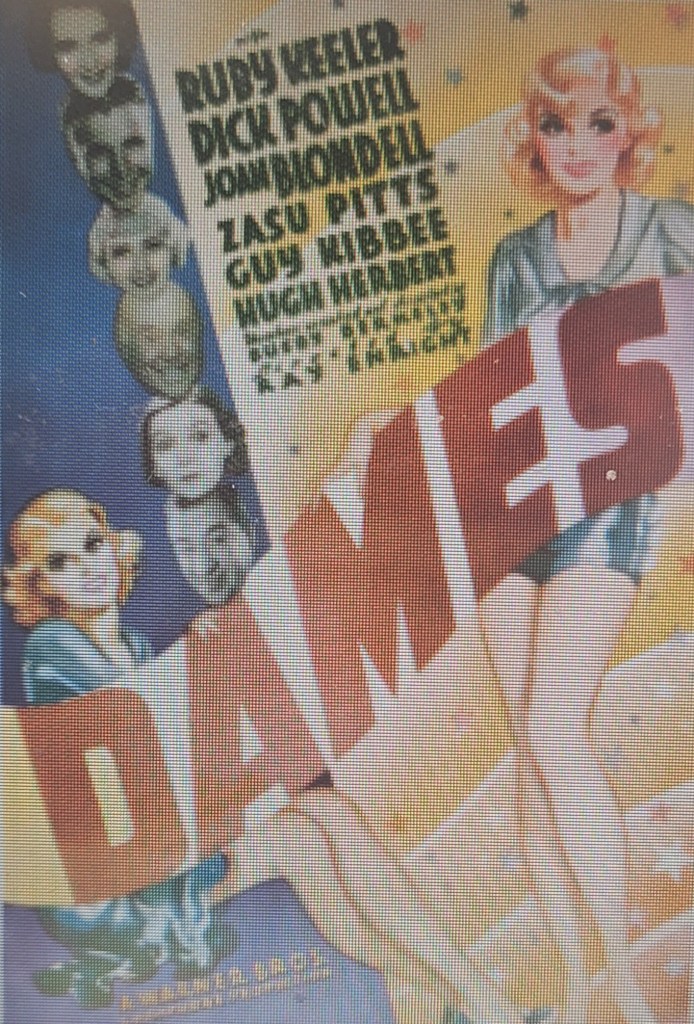
    A further testament to Warner Bros. Diversifying the widening perception of their catalogue is the 1934 film Dames. Often depicting a more intricate plot with more complexity to the characters, particularly the female characters in the film. This film, while maintaining the escapism that is expected with the musical genre is one that further explores the struggles that people faced during economic peril. We can note the female characters in the film as people with very limited options regarding employment and as people whose morality may be put into question in different financial contexts, however in the film they are fairly and excitingly depicted as resourceful and professionally eager. This provided a fresh backdrop for audiences to view the musical and all the spectacle that comes with it with more universal humanity is seeing a complex commentary on gender regarding the starvation of economic opportunity, not just for the forgotten veterans often depicted in a post WWI scenario, but also for the women of the time who were often overlooked and treated as helpless concerning their capacity to earn a potentially flourishing living. This pretext for the place of women in the 1930’s provided Warner Bros. With a gap in the market to showcase women on screen as capable earners who challenge the authority of the men. Providing the women of the time who often constrained by the societal hierarchy in place an inspiring outlet for one’s own imagination and burgeoning future within society. 

  • The Roaring Twenties (1939)

    Context

    Walsh’s film is another example of Warner Bros. propelling the sentiment of class contrast and the straining of relationships as a result. Throughout, we can note the constant duality of the lives of the characters within the film, constantly contrasting the glamour of the american dream, moreover, how that ideal is forever out of reach for the World War I veterans that are depicted as professionally and culturally left out in the cold (Walsh, 00:47:01), and (Walsh 00:04:28). Many of the films that came from Warner Bros. such as this one are keen to note the corruption of the greed of the time period. Furthermore, how that greed can imply a degree of desperation in within the forgotten social classes, ultimately, providing Warner Bros. with a favourable perception within the widespread American viewership as the primary outlet for “social critique” in the 1930’s (Daseler, 2014).

  • The Public Enemy (1931)

    This film, yet again reinforces the premise that Warner Bros. in the 1930’s were pushing for strong films that highlighted “an image of a struggling America”, economically speaking (Yogerst, 1). One can note the consistent theme throughout the film, as our protagonist is torn between what he desires and what he feels he needs to do. The economic desperation showcased in the film is ripe for the audience to dissect decades later. Furthermore, one can note the treatment of women, moreover, how men who are placed in dire circumstances subsequently view women. The iconic grapefruit scene is the clearest possible example to highlight this. You and I can clearly bare witness to an abusive and dismissive protagonist in this scene. This framing of a central character further distinguished Warner Bros. from other production companies as it showed a flawed, charismatic, and most importantly for the audience, a memorable character.

  • Little Caesar (1931)

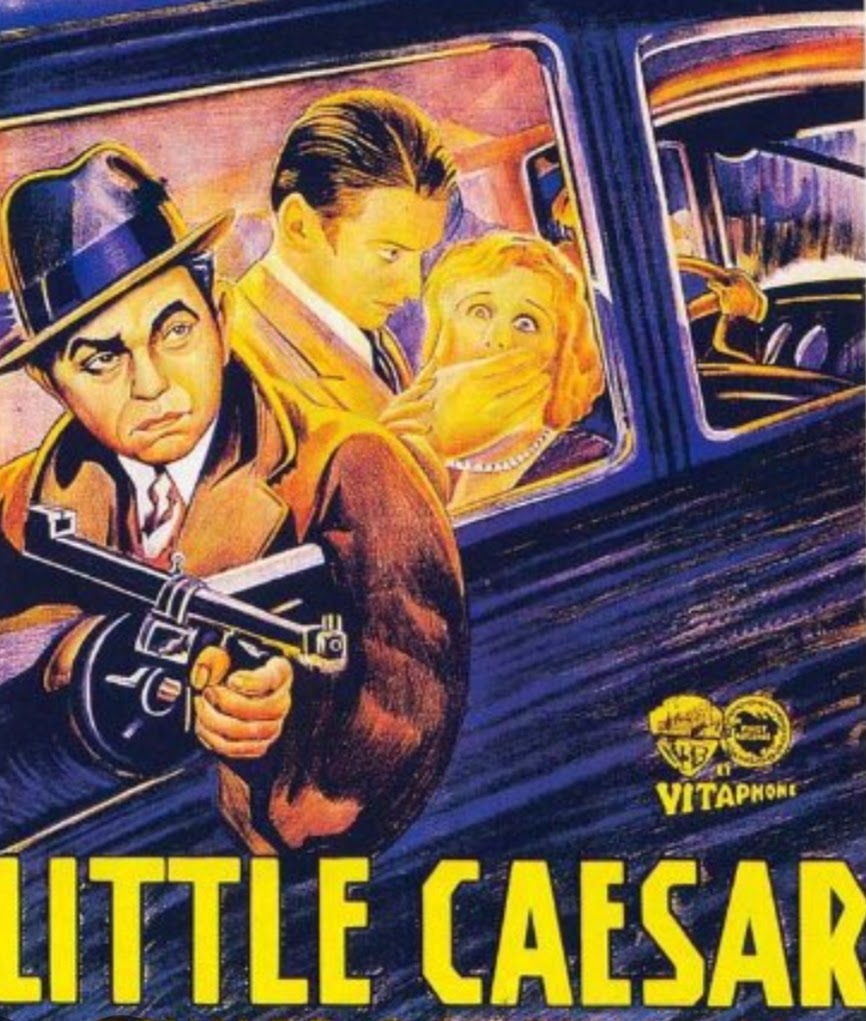
    One can note the rapid fluidity of the editing style early on in Little Caesar (1931). Having seen this style in many more modern Warner Bros. productions it is hardly a surprise to see why this style of film gained so much initial traction. additionally we can note as viewers the constant necessity to highlight the harshness of growing up in less than lavish environments and the desire to reach out for richer economic prosperity. This relatable aspect, moreover, depicting a “classical glamour” aesthetic has shown, in an extreme case with the central figure that Warner Bros. were keen to attract the masses via compelling visual storytelling, subsequently, keeping Warner Bros. current within the present landscape of cinema

    (Singpatanakul, 2020), and (LeRoy, 00:01:52).

  • Warner Bros.(introduction)

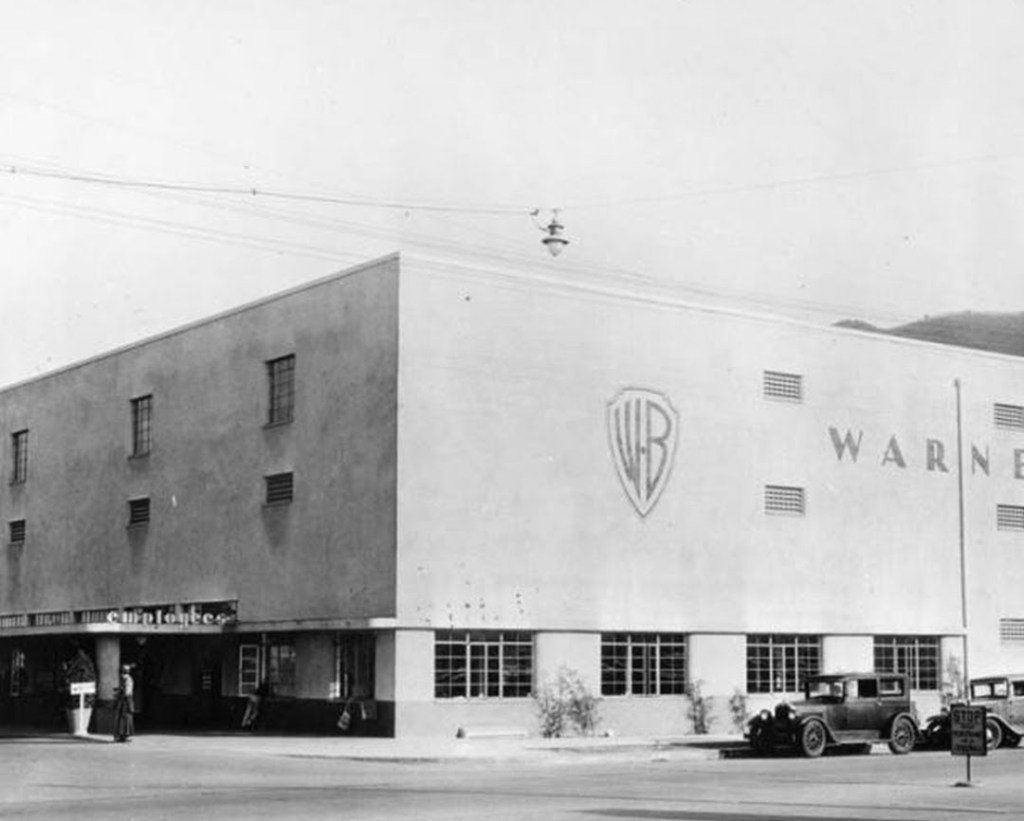
    During a recent escapade into expanding my knowledge on the formative Hollywood studio age, Warner Bros. stood out as a keen suspect. I wish, via this blog to delve into how Hollywood found the footing necessary to deliver to the masses firm and long lasting standing in modern social times. With the aid of my blog, i want to use certain films from the Warner Bros. filmography to further illuminate their place as a figurehead in within in social and cinematic dimensions. Beginning with Little Caesar (1931).

    Beginning with Little Caesar (1931)